

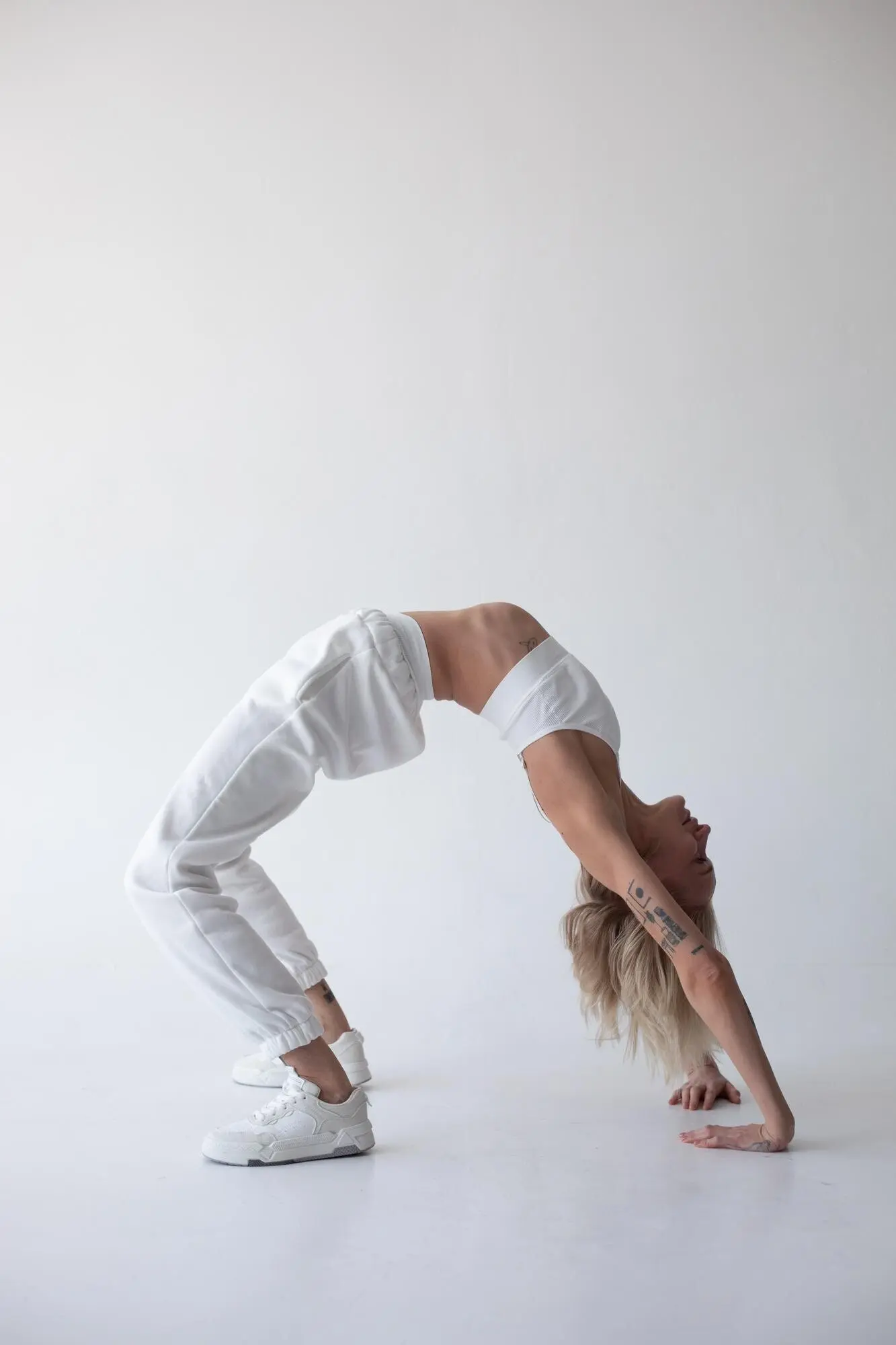
Introduce low-level plyometrics like pogos, box step-offs, and snap-downs before bigger jumps. Emphasize silent landings, stacked knees, and quick rebounding through midfoot to heel. Two short sets a week can reduce Achilles and patellar stress by teaching tendons to store energy efficiently, matching the athletic demands of allegro passages and finale variations.

Side-lying abductions, clamshells with a pause, monster walks, and deep external-rotator holds make pirouettes steadier and arabesques less wobbly. Add single-leg Romanian deadlifts for posterior chain resilience. Stable hips mean cleaner turnout control, fewer inner-knee complaints, and smoother transitions between plié and relevé during sequences that stack fatigue late in rehearsal.

Chase control at end range, not just range itself. Use contract-relax techniques, active flexion lifts, and gentle isometrics where you’re tight. Avoid long passive holds before class; save deeper stretches for post-session. Mobility that supports strength keeps hamstrings happy, hips centered, and backs supple without the microstrains that quietly accumulate into bigger setbacks.
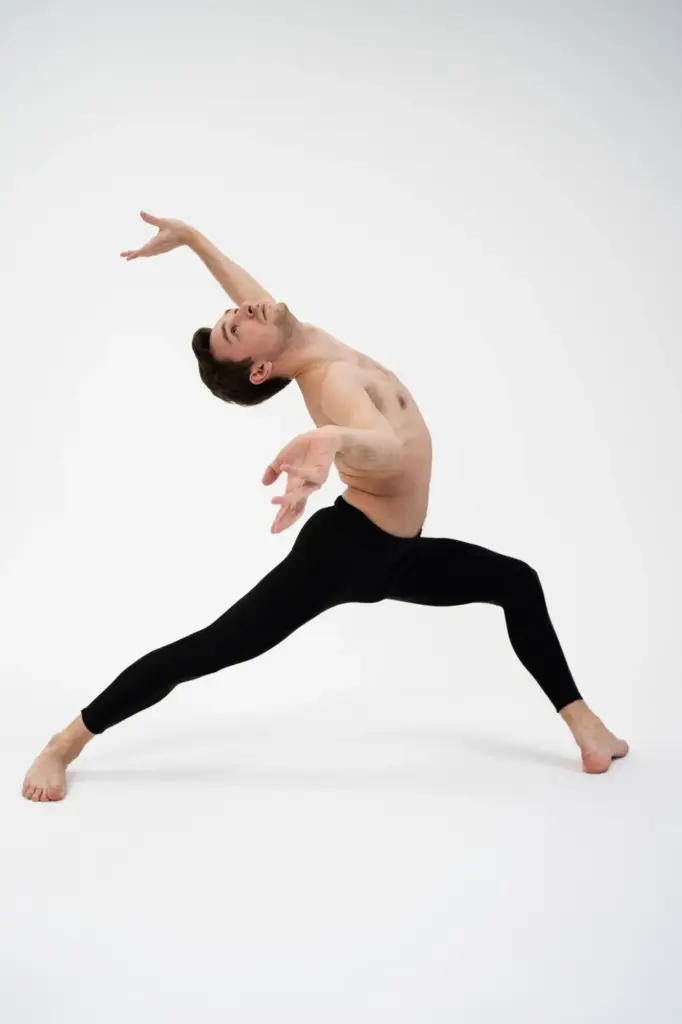
Anchor meals with carbohydrates for fuel, lean proteins for repair, and colorful produce for anti-inflammatory support. Pack portable snacks—yogurt, fruit, nuts, sandwiches—to bridge long rehearsal blocks. Under-fueling often masquerades as mysterious tightness or sluggish turns. Eating enough, early and often, lifts stamina, sharper timing, and sharper musicality when directors push tempo.
Keep a bottle handy and sip regularly, not just during breaks. In hot studios, add electrolytes to replace sodium and support nerve function. Pale straw urine is a simple target. Adequate fluids maintain joint lubrication, reduce perceived exertion, and support fine motor control—especially crucial for quick footwork and long sequences demanding unwavering focus.
Aim for a consistent schedule with a screen-free wind-down, dim lights, and gentle mobility or breathwork. Deep sleep consolidates choreography, repairs tissue microdamage, and stabilizes mood. If nights run short, prioritize a brief afternoon nap. Better sleep quality correlates with fewer overuse niggles and steadier balance on days heavy with turns and jumps.
Keep a simple log: classes, rehearsal hours, run-throughs, and approximate jump counts. Note sleep and soreness levels. Patterns emerge quickly, revealing when spikes preceded cranky tendons or tight backs. With clarity, you can redistribute effort, negotiate rehearsals, and keep momentum without the boom-and-bust cycles that derail progress just before important performances.
A helpful rule: mild discomfort that warms up and resolves by next day may be manageable; sharp, localized pain or swelling demands attention. Night pain, numbness, or altered coordination are urgent. Advocate for yourself early. Quick conversations prevent small issues from snowballing into time out of the studio during pivotal program weeks.
Stress narrows movement options and increases perceived effort. Build micro-recoveries—breath sets, mini walks, short mobility breaks—during long days. Rest is not lost progress; it’s an investment that improves accuracy and timing. Share your strategies with teammates and comment on what helps you reset when pressure rises and choreography gets increasingly intricate.
All Rights Reserved.